Nutrition for Senior Fitness and Health
As we age, our bodies change in ways that can affect our fitness and overall health. For seniors, staying active and eating well are more important than ever. Nutrition plays a huge role in how well our bodies function, especially when it comes to staying strong, flexible, and energized. Think of your body like a car: it needs the right fuel to run smoothly. For seniors, that fuel comes from the foods we eat. Eating the right foods can help build muscle, keep bones strong, and give you the energy you need to stay active and independent. But it’s not just about what you eat—it’s also about how you plan your meals, stay hydrated, and even the supplements you take. This lesson will explore how nutrition can power senior fitness, making it easier to move, feel good, and enjoy life to the fullest.
Many seniors face challenges like joint pain, muscle weakness, and low energy. The good news is that small changes in your diet can make a big difference. From boosting your protein intake to drinking more water, there are simple steps you can take to support your body and stay active. This lesson will also cover essential nutrients that seniors need more of as they age, like calcium for strong bones, vitamin D for better calcium absorption, and omega-3 fatty acids for heart health. By understanding how these nutrients work, you can make smarter food choices that help you feel your best. We’ll also dive into meal planning, hydration, and how to manage dietary restrictions, so you can create a balanced diet that fits your lifestyle and health needs.

How Nutrition Powers Senior Fitness
Nutrition is like fuel for your body, especially when it comes to staying fit and active as you age. Just like a car needs the right type of gas to run smoothly, your body needs the right foods to stay strong, flexible, and full of energy. For seniors, eating well is not just about staying healthy—it’s about staying independent and enjoying life to the fullest. Let’s break down how nutrition plays a big role in senior fitness.
Why Food is the Foundation of Fitness
Think of your body as a machine. If you put in the wrong fuel, it won’t work well. For seniors, the right foods help build muscle, keep bones strong, and give you the energy to move around. Foods rich in protein, like chicken, fish, and beans, help repair muscles after exercise. Calcium and vitamin D, found in milk and leafy greens, keep your bones strong so you can stay active without getting hurt. And whole grains, fruits, and vegetables give you the energy you need to keep going throughout the day.
When you eat well, you’re not just feeding your body—you’re giving it the tools it needs to stay fit. For example, omega-3 fatty acids, found in fish like salmon, help reduce inflammation in your joints. This means less pain and more flexibility, which is important for staying active. Eating the right foods can also help you maintain a healthy weight, which makes it easier to move around and reduces stress on your joints.
How Nutrition Helps You Stay Active
Staying active is key to senior fitness, but it’s hard to keep moving if your body isn’t getting the nutrients it needs. For example, if you don’t get enough protein, your muscles can become weak, making it harder to walk, climb stairs, or even get up from a chair. On the other hand, eating enough protein helps your muscles stay strong, so you can keep doing the things you love.
Vitamins and minerals also play a big role in staying active. Vitamin C, found in oranges and strawberries, helps your body heal after exercise. Magnesium, found in nuts and seeds, helps your muscles relax and prevents cramps. And antioxidants, found in colorful fruits and vegetables, protect your cells from damage, so you can recover faster after a workout.
Even small changes in your diet can make a big difference. For example, swapping sugary snacks for nuts or yogurt can give you more energy and help you stay active longer. Drinking enough water is also important because dehydration can make you feel tired and weak. By eating the right foods, you’re giving your body the support it needs to stay fit and active.
Foods That Boost Fitness
Some foods are especially good for senior fitness because they provide the nutrients your body needs to stay strong and healthy. Here are a few examples:
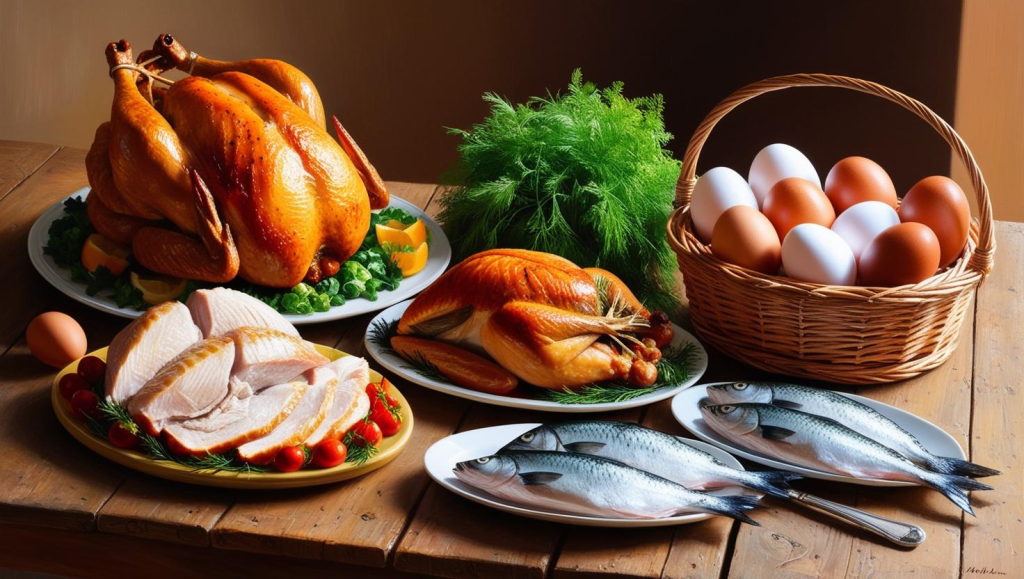
- Lean proteins: Chicken, turkey, fish, and eggs help build and repair muscles. They’re also great sources of energy.
- Whole grains: Foods like oatmeal, brown rice, and whole-wheat bread give you long-lasting energy and keep your digestion healthy.
- Fruits and vegetables: These are packed with vitamins, minerals, and antioxidants that protect your body and keep you feeling good.
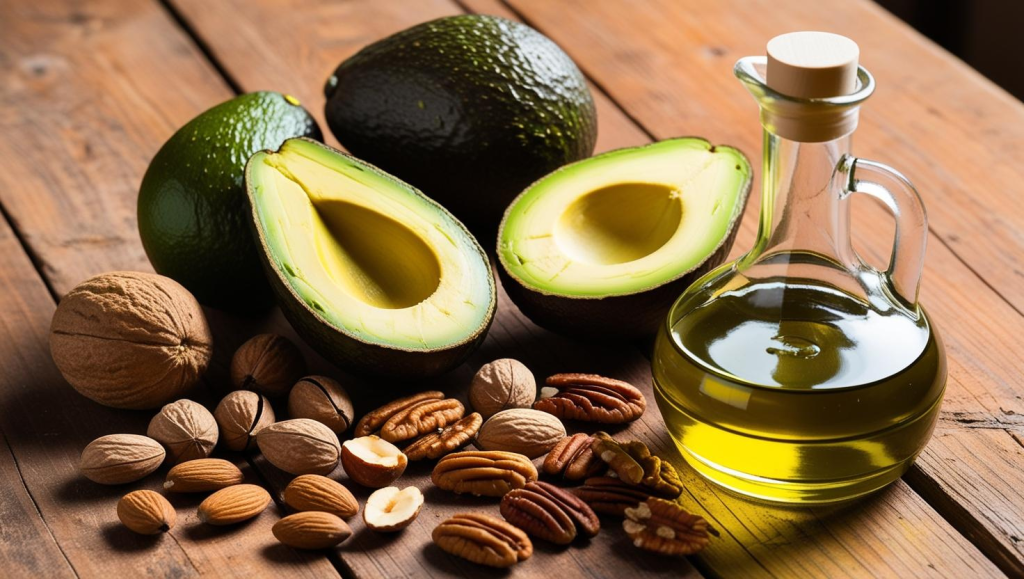
- Healthy fats: Avocados, nuts, and olive oil help your body absorb vitamins and keep your heart healthy.
- Dairy or dairy alternatives: Milk, yogurt, and fortified plant-based drinks provide calcium and vitamin D for strong bones.
By including these foods in your diet, you’re giving your body the nutrients it needs to stay fit and active. For example, eating a balanced breakfast with eggs and whole-grain toast can give you the energy to start your day strong. Adding a handful of nuts or a piece of fruit to your snacks can keep your energy levels up throughout the day.
How Nutrition Helps Prevent Injuries
One of the biggest challenges for seniors is staying active without getting hurt. Good nutrition can help reduce the risk of injuries by keeping your muscles and bones strong. For example, calcium and vitamin D help prevent osteoporosis, a condition that makes your bones weak and more likely to break. By eating foods like milk, cheese, and leafy greens, you’re helping your bones stay strong so you can stay active without worrying about fractures.
Protein is also important for preventing injuries because it helps your muscles recover after exercise. If your muscles are strong, they’re less likely to get strained or torn. Foods like chicken, fish, and beans are great sources of protein that can help keep your muscles in good shape.
Anti-inflammatory foods, like berries, nuts, and fatty fish, can also help reduce pain and swelling in your joints. This makes it easier to move around and stay active. By eating a balanced diet, you’re not just staying fit—you’re also protecting your body from injuries that could keep you from doing the things you love.
Eating for Energy and Endurance
Staying active requires energy, and the best way to get that energy is from the foods you eat. Carbohydrates, found in foods like whole grains, fruits, and vegetables, are your body’s main source of energy. They give you the fuel you need to walk, dance, or play with your grandkids. Eating a balanced meal with carbs, protein, and healthy fats can help you stay energized throughout the day.
Hydration is also important for energy. When you’re dehydrated, you can feel tired and weak, which makes it harder to stay active. Drinking enough water and eating hydrating foods, like watermelon and cucumbers, can help you stay energized and ready to move.
By eating the right foods, you’re giving your body the energy it needs to stay active and enjoy life. For example, a lunch with grilled chicken, brown rice, and steamed vegetables can give you the energy to take a walk or work in the garden. And a snack of yogurt and berries can keep you going until dinner. With the right nutrition, you can stay fit and active for years to come.
Essential Nutrients for Seniors
As we get older, our bodies change in many ways. One of the most important changes is how our bodies absorb and use nutrients. Nutrients are the vitamins and minerals that help our bodies stay healthy and strong. For seniors, getting the right nutrients is crucial because it can help prevent health problems like weak bones, muscle loss, and even heart disease. Let’s take a closer look at some essential nutrients that seniors need more of as they age.
Vitamin B12
Vitamin B12 is one of the most important vitamins for seniors. It helps keep your nervous system working properly and is involved in making red blood cells. As you get older, especially after age 60, your body doesn’t absorb B12 as well as it used to. This can lead to problems like feeling tired all the time, weakness, and even issues with memory and thinking. To make sure you’re getting enough B12, you can eat foods like eggs, fish, and dairy products. Some breakfast cereals are also fortified with B12, which means they have extra B12 added to them. If you’re not getting enough from food, your doctor might recommend a B12 supplement.
Protein
Protein is another essential nutrient that becomes more important as you age. Protein helps build and repair muscles, which is especially important because seniors naturally lose muscle mass as they get older. This loss of muscle is called sarcopenia, and it can make it harder to do everyday tasks like walking, climbing stairs, or even getting up from a chair. To keep your muscles strong, try to include protein in every meal. Good sources of protein include lean meats like chicken and turkey, fish, beans, and nuts. Eggs and dairy products like milk and yogurt are also great options. If you’re not sure if you’re getting enough protein, talk to your doctor or a dietitian.
Calcium
Calcium is a mineral that’s essential for strong bones. As we age, our bones can become weaker, which can lead to conditions like osteoporosis. Osteoporosis makes your bones more likely to break, which can be very serious for seniors. To keep your bones strong, it’s important to get enough calcium. Dairy products like milk, cheese, and yogurt are some of the best sources of calcium. If you don’t eat dairy, you can get calcium from foods like leafy green vegetables, almonds, and fortified plant-based milks. Some people may also need to take a calcium supplement, but it’s important to talk to your doctor before starting any new supplements.
Vitamin D
Vitamin D is often called the “sunshine vitamin” because your body makes it when your skin is exposed to sunlight. But as we get older, our bodies don’t make vitamin D as well as they used to. This is a problem because vitamin D helps your body absorb calcium, which is essential for strong bones. Without enough vitamin D, you could be at risk for weak bones and fractures. To get more vitamin D, try to spend some time outside in the sun, but be careful not to get too much sun exposure because it can increase your risk of skin cancer. You can also get vitamin D from foods like fatty fish, egg yolks, and fortified foods like milk and cereal. Many seniors also take a vitamin D supplement to make sure they’re getting enough.
Omega-3 Fatty Acids
Omega-3 fatty acids are a type of healthy fat that’s important for heart health. They can help reduce inflammation in the body, which can lower your risk of heart disease. Omega-3s are also good for your brain and can help improve memory and thinking. The best sources of omega-3s are fatty fish like salmon, mackerel, and sardines. If you don’t eat fish, you can get omega-3s from flaxseeds, chia seeds, and walnuts. Some people also take an omega-3 supplement, but it’s important to talk to your doctor before starting any new supplements, especially if you’re on blood thinners.
Magnesium
Magnesium is a mineral that’s involved in many important processes in your body, including muscle and nerve function, blood sugar control, and blood pressure regulation. Many seniors don’t get enough magnesium, which can lead to problems like muscle cramps, fatigue, and even heart issues. You can get magnesium from foods like nuts, seeds, whole grains, and leafy green vegetables. Some people may also need to take a magnesium supplement, but it’s important to talk to your doctor first because too much magnesium can cause side effects like diarrhea.
Fiber
Fiber is a type of carbohydrate that your body can’t digest. Even though it doesn’t get absorbed, fiber is still very important for your health. It helps keep your digestive system working properly, which can prevent constipation—a common problem for seniors. Fiber can also help lower your risk of heart disease and diabetes. To get more fiber in your diet, eat plenty of fruits, vegetables, whole grains, and legumes like beans and lentils. Some people may also take a fiber supplement, but it’s usually best to get your fiber from food because it comes with other important nutrients.
Potassium
Potassium is a mineral that helps your muscles and nerves work properly. It also helps control your blood pressure. Many seniors don’t get enough potassium, which can lead to problems like muscle weakness, fatigue, and high blood pressure. You can get potassium from foods like bananas, oranges, potatoes, and spinach. If you’re not sure if you’re getting enough potassium, talk to your doctor or a dietitian.
Iron
Iron is a mineral that’s essential for making red blood cells, which carry oxygen throughout your body. If you don’t get enough iron, you can develop anemia, which can make you feel tired and weak. Seniors, especially women who have gone through menopause, are at risk for iron deficiency. You can get iron from foods like lean meats, beans, lentils, and fortified cereals. Some people may also need to take an iron supplement, but it’s important to talk to your doctor first because too much iron can be harmful.
Getting the right nutrients is essential for staying healthy as you age. By eating a balanced diet that includes a variety of nutrient-rich foods, you can help prevent many of the health problems that are common in seniors. If you’re not sure if you’re getting enough of these essential nutrients, talk to your doctor or a dietitian. They can help you create a meal plan that meets your nutritional needs and keeps you healthy and strong for years to come.
Meal Planning for Active Lifestyles

When you’re living an active lifestyle, especially as a senior, planning your meals becomes very important. Eating the right foods can help you stay strong, energized, and healthy. Think of your body like a car. Just as a car needs the right fuel to run smoothly, your body needs the right foods to keep you moving and feeling good. This section will help you understand how to plan meals that support your active life.
Why Meal Planning Matters
Meal planning is like making a roadmap for your week. It helps you decide what to eat so you don’t end up grabbing unhealthy snacks or skipping meals. For seniors who are active, meal planning ensures you’re getting the nutrients you need to stay strong and energized. It also saves time and money because you can buy groceries in advance and avoid last-minute trips to the store.
When you’re active, your body needs more energy. This energy comes from the food you eat. Planning your meals helps you make sure you’re eating enough to fuel your activities. It also helps you avoid eating too much, which can lead to weight gain. Meal planning can also help you manage health conditions, like diabetes or high blood pressure, by making sure you’re eating the right foods.
What to Include in Your Meals
When planning meals for an active lifestyle, it’s important to include a variety of foods. This means eating different types of fruits, vegetables, grains, proteins, and healthy fats. Each type of food gives your body something it needs to stay healthy and strong.
Fruits and vegetables are packed with vitamins and minerals that help your body work properly. They also have fiber, which helps with digestion. Try to include a variety of colors in your meals, like red apples, green spinach, and orange carrots. This ensures you’re getting a wide range of nutrients.
Whole grains, like brown rice, whole wheat bread, and oatmeal, give you energy that lasts. They also have fiber, which helps keep you feeling full longer. Protein is important for building and repairing muscles, which is especially important if you’re active. Good sources of protein include lean meats, fish, eggs, beans, and nuts.
Healthy fats, like those found in avocados, olive oil, and nuts, are important for heart health. They also help your body absorb certain vitamins. Including a small amount of healthy fats in your meals can help you feel satisfied and give you energy.
How to Plan Your Meals
Meal planning doesn’t have to be complicated. Start by thinking about your schedule for the week. If you know you’ll be busy on certain days, plan meals that are quick and easy to prepare. On days when you have more time, you can try new recipes or cook more elaborate meals.
Make a list of the meals you want to eat for the week. Include breakfast, lunch, dinner, and snacks. Try to include a variety of foods so you don’t get bored. Write down the ingredients you’ll need and make a shopping list. This helps you avoid buying things you don’t need and ensures you have everything you need to prepare your meals.
When planning your meals, think about portion sizes. Eating too much can make you feel sluggish, while eating too little can leave you feeling tired. A good rule of thumb is to fill half your plate with fruits and vegetables, a quarter with whole grains, and a quarter with protein. Add a small amount of healthy fats to complete the meal.
Quick and Easy Meal Ideas
If you’re short on time, there are plenty of quick and easy meals you can prepare. For breakfast, try oatmeal with fruit and nuts or a smoothie made with yogurt, fruit, and spinach. For lunch, a salad with grilled chicken or a turkey sandwich on whole wheat bread are good options. For dinner, try grilled fish with steamed vegetables or a stir-fry with brown rice and tofu.

Snacks are also important for keeping your energy levels up throughout the day. Good snack options include fresh fruit, yogurt, nuts, and whole grain crackers. If you’re craving something sweet, try a small piece of dark chocolate or a fruit salad.
Preparing Meals in Advance
Preparing meals in advance can save you time and make it easier to eat healthy. One way to do this is by making large batches of food and storing it in the refrigerator or freezer. For example, you can cook a big pot of soup or chili and divide it into portions for the week. This way, you’ll have a healthy meal ready to go when you need it.
Another option is to prepare ingredients ahead of time. Chop vegetables, cook grains, and marinate proteins on the weekend so you can quickly assemble meals during the week. You can also prepare snacks, like cut-up fruit or hard-boiled eggs, so they’re easy to grab when you’re on the go.
Staying Hydrated
Staying hydrated is just as important as eating the right foods, especially if you’re active. Water helps your body digest food, absorb nutrients, and stay cool. It also helps your muscles work properly and can prevent cramps and fatigue.
Make sure to drink plenty of water throughout the day, especially before, during, and after exercise. If you don’t like the taste of plain water, try adding a slice of lemon, lime, or cucumber. Herbal teas and broth-based soups are also good ways to stay hydrated.
Listening to Your Body
Finally, it’s important to listen to your body. Everyone’s needs are different, so pay attention to how you feel after eating certain foods. If a meal makes you feel tired or sluggish, try adjusting the portion sizes or ingredients. If you’re feeling hungry soon after eating, you may need to add more protein or healthy fats to your meals.
Remember, meal planning is a tool to help you stay healthy and active. It’s okay to be flexible and make changes as needed. The goal is to find a plan that works for you and supports your active lifestyle.
Why Hydration is Key to Staying Fit
Staying hydrated is one of the most important things you can do for your body, especially if you want to stay fit and active as you age. Water makes up a big part of your body, and it helps almost every part of you work better. Think of your body like a car. Just like a car needs oil to run smoothly, your body needs water to keep everything working right. This is especially true when you’re exercising or staying active, which is important for seniors who want to stay healthy and independent.
When you’re active, your body loses water through sweat, even if you don’t notice it. If you don’t replace that lost water, you can become dehydrated. Dehydration can make it harder to move, think, and even breathe. It can also make your muscles feel weak or cramped, which can make exercising harder and less enjoyable. Staying hydrated helps your muscles work better, which means you can walk, stretch, or lift weights more easily. It also helps your heart and lungs work better, so you don’t get tired as quickly.

How Hydration Helps Your Muscles and Joints
Your muscles and joints need water to stay strong and flexible. Water helps your muscles move and stretch without getting hurt. When you’re dehydrated, your muscles can feel tight and stiff, and you might even get painful cramps. This can make it hard to do simple things like walking, bending, or reaching for something. Drinking enough water keeps your muscles loose and ready to move.
Water also helps your joints stay healthy. Your joints are the places where your bones meet, like your knees and elbows. They have a special fluid called synovial fluid that helps them move smoothly. When you’re dehydrated, there’s less of this fluid, which can make your joints feel stiff and sore. Staying hydrated keeps this fluid at the right level, so your joints can move easily and without pain. This is especially important for seniors who might already have joint problems like arthritis.
Hydration and Energy Levels
Have you ever felt really tired after a workout or even just a walk around the block? That could be because you didn’t drink enough water. Water helps your body make energy, and when you’re dehydrated, your energy levels can drop. This can make you feel sluggish and tired, even if you’ve had enough sleep.
When you’re hydrated, your blood can carry oxygen and nutrients to your muscles more easily. This gives your muscles the energy they need to keep moving. It also helps your heart pump blood more efficiently, which means you can exercise longer without feeling worn out. Staying hydrated can even help you recover faster after a workout, so you feel ready to go again the next day.
How to Know if You’re Drinking Enough Water
It’s not always easy to tell if you’re drinking enough water, especially as you get older. One way to check is to look at the color of your urine. If it’s light yellow or clear, that’s a good sign you’re hydrated. If it’s dark yellow or orange, you probably need to drink more water. Another way is to pay attention to how you feel. If you’re thirsty, your body is already starting to get dehydrated. It’s better to drink water before you feel thirsty to stay ahead of dehydration.
Some seniors might not feel thirsty as often as they used to. This is because the part of your brain that tells you when you’re thirsty doesn’t work as well as you get older. That’s why it’s important to make drinking water a habit, even if you don’t feel like you need it. Try setting a reminder on your phone or keeping a water bottle with you during the day to make sure you’re drinking enough.
Hydrating Foods and Drinks
Drinking water is the best way to stay hydrated, but you can also get water from the foods you eat. Many fruits and vegetables have a lot of water in them. Some of the best hydrating foods include:
- Watermelon (it’s in the name!)
- Cucumbers
- Strawberries
- Lettuce
- Tomatoes
These foods are not only hydrating, but they also give you important vitamins and minerals that help your body stay healthy. Soups and broths are also great for hydration, especially in colder weather when you might not feel like drinking as much water. Just be careful with drinks like coffee and soda, which can actually make you more dehydrated if you drink too much of them.
Hydration Before, During, and After Exercise
If you’re planning to exercise or do any kind of physical activity, it’s important to drink water before, during, and after. Drinking water before you start helps prepare your body for the activity. It’s like filling up your car’s gas tank before a long trip. During exercise, take small sips of water to replace what you’re losing through sweat. After you’re done, drink more water to help your body recover.
If you’re doing a really intense workout or exercising in hot weather, you might need more than just water. In these cases, a drink with electrolytes can help. Electrolytes are minerals like sodium and potassium that your body loses when you sweat. They help your muscles and nerves work properly, so it’s important to replace them if you’re sweating a lot. You can find drinks with electrolytes at the store, or you can make your own by mixing water with a little bit of salt and sugar.
Signs You’re Not Drinking Enough Water
If you’re not drinking enough water, your body will let you know. Some common signs of dehydration include:
- Feeling very thirsty
- Having a dry mouth or lips
- Feeling tired or dizzy
- Having dark yellow urine
- Getting headaches
If you notice any of these signs, it’s important to drink water right away. Severe dehydration can be dangerous, especially for seniors. It can cause confusion, make it hard to walk, and even lead to serious health problems like kidney damage. If you’re feeling very dehydrated and drinking water doesn’t help, you should talk to a doctor.
Making Hydration a Daily Habit
Staying hydrated doesn’t have to be hard. There are lots of simple ways to make sure you’re drinking enough water every day. Here are a few tips:
- Keep a water bottle with you at all times and sip from it throughout the day.
- Drink a glass of water with every meal.
- Set reminders on your phone or watch to drink water.
- Add a slice of lemon or cucumber to your water to make it taste better.
- Eat more fruits and vegetables that have a lot of water in them.
Remember, staying hydrated is one of the easiest and most important things you can do for your health. It helps your body work better, keeps your muscles and joints strong, and gives you the energy you need to stay active and fit. So grab a glass of water and start hydrating today!
Supplements and Their Benefits
As we age, our bodies go through many changes, and one of the most common issues seniors face is joint pain. Joint pain can make it hard to move around, stay active, and enjoy daily activities. While exercise and a healthy diet are important, sometimes they aren’t enough. This is where supplements can help. Supplements are products that add extra nutrients to your diet. They can be in the form of pills, capsules, powders, or even gummies. For seniors, certain supplements can help reduce joint pain, improve mobility, and keep joints healthy.

Why Joint Health is Important for Seniors
Joints are the places where two bones meet, like your knees, elbows, and hips. They allow you to bend, twist, and move freely. Over time, the cartilage (the cushion between bones) can wear down, causing pain and stiffness. This is especially common in seniors. When joints hurt, it can be hard to walk, climb stairs, or even get out of bed. Keeping joints healthy is key to staying active and independent. Supplements can help by providing the nutrients your joints need to stay strong and flexible.
Key Ingredients in Joint Supplements
Not all supplements are the same. Some contain ingredients that are especially helpful for joint health. Here are some of the most common ones:
- Glucosamine: This is a natural substance found in cartilage. It helps keep cartilage healthy and can reduce joint pain. Many joint supplements contain glucosamine because it’s known to support joint function.
- Chondroitin: This is another substance found in cartilage. It helps keep cartilage strong and can slow down cartilage breakdown. When taken with glucosamine, chondroitin can help reduce joint pain and improve mobility.
- Turmeric (Curcumin): Turmeric is a spice that has been used for centuries for its anti-inflammatory properties. Curcumin, the active ingredient in turmeric, can help reduce swelling and pain in joints.
- MSM (Methylsulfonylmethane): MSM is a sulfur compound that helps reduce inflammation and pain in joints. It can also improve flexibility, making it easier to move around.
- Collagen: Collagen is a protein that helps keep cartilage and connective tissues strong. Type II collagen is especially good for joint health because it supports cartilage and reduces joint pain.
- Omega-3 Fatty Acids: Found in fish oil, omega-3s are known for their anti-inflammatory effects. They can help reduce joint pain and stiffness, especially in people with arthritis.
- Hyaluronic Acid: This is a substance that helps keep joints lubricated. It can reduce friction between bones, making movement smoother and less painful.
How Supplements Help Seniors
Supplements can provide the nutrients your body needs to keep joints healthy. Here are some ways they can help:
- Reducing Pain: Ingredients like glucosamine, chondroitin, and turmeric can help reduce joint pain. This makes it easier to move around and stay active.
- Improving Mobility: Supplements like MSM and hyaluronic acid can improve flexibility and reduce stiffness. This makes it easier to do everyday activities like walking, bending, and reaching.
- Supporting Cartilage Health: Ingredients like collagen and chondroitin help keep cartilage strong. This can slow down the wear and tear on joints, reducing the risk of pain and injury.
- Reducing Inflammation: Inflammation can cause swelling and pain in joints. Supplements like omega-3s and turmeric can help reduce inflammation, making joints feel better.
Choosing the Right Supplement
With so many supplements available, it can be hard to know which one to choose. Here are some tips to help you pick the right one:
- Look for Key Ingredients: Make sure the supplement contains ingredients like glucosamine, chondroitin, turmeric, or MSM. These are known to be effective for joint health.
- Check the Dosage: Some supplements may not contain enough of the active ingredients to be effective. Look for supplements that provide the right amount of each ingredient.
- Consider Your Needs: If you have severe joint pain, you may need a supplement with stronger ingredients like hyaluronic acid or omega-3s. If you’re looking for general joint support, a basic glucosamine and chondroitin supplement may be enough.
- Talk to Your Doctor: Before starting any new supplement, it’s important to talk to your doctor. They can help you choose the right one and make sure it won’t interact with any medications you’re taking.
Real-World Examples of Supplements
Here are some examples of popular joint supplements and how they can help:
- Legacy Wellness Joint Joy: This supplement contains a blend of glucosamine, chondroitin, MSM, and turmeric. It’s designed to reduce joint pain, improve mobility, and protect cartilage.
- Regenerix Gold: This supplement contains hydrolyzed collagen, hyaluronic acid, and herbal blends. It helps improve joint flexibility, reduce discomfort, and support cartilage health.
- Fish Oil Supplements: These supplements are rich in omega-3 fatty acids. They can reduce inflammation and joint pain, especially in people with arthritis.
- Turmeric Capsules: These supplements contain curcumin, the active ingredient in turmeric. They can reduce swelling and pain in joints, making it easier to move around.
Safety and Side Effects
While supplements can be helpful, they’re not without risks. Here are some things to keep in mind:
- Possible Side Effects: Some supplements can cause side effects like stomach upset, nausea, or headaches. If you experience any side effects, stop taking the supplement and talk to your doctor.
- Interactions with Medications: Some supplements can interact with medications you’re already taking. For example, turmeric can thin the blood, so it shouldn’t be taken with blood thinners. Always check with your doctor before starting a new supplement.
- Quality Matters: Not all supplements are made the same. Some may contain lower-quality ingredients or fillers. Look for supplements from reputable brands that have been tested for quality and safety.
Supplements can be a great way to support joint health, but they’re just one piece of the puzzle. A healthy diet, regular exercise, and staying hydrated are also important for keeping joints strong and flexible. By combining these habits with the right supplements, seniors can reduce joint pain, improve mobility, and enjoy a better quality of life.
Managing Dietary Restrictions
As we age, our bodies change, and so do our nutritional needs. Sometimes, seniors have to follow specific diets because of health conditions like diabetes, high blood pressure, or heart disease. These diets are called dietary restrictions. Managing these restrictions can feel overwhelming at first, but with the right information and planning, it can become a simple part of daily life. Let’s dive into how seniors can manage dietary restrictions effectively while still enjoying their meals and staying healthy.
Why Dietary Restrictions Are Important
Dietary restrictions are not just about eating less of certain foods. They are about making sure seniors get the right nutrients to stay healthy and manage their health conditions. For example, someone with diabetes might need to watch their sugar and carbohydrate intake to keep their blood sugar levels stable. Similarly, someone with high blood pressure might need to eat less salt to help lower their blood pressure. These restrictions are not punishments—they are tools to help seniors live healthier, happier lives.
Think of dietary restrictions like wearing glasses. If you have trouble seeing, glasses help you see clearly. In the same way, dietary restrictions help your body work better. They make sure you’re getting the right nutrients and avoiding things that could make your health worse. By following these guidelines, seniors can avoid complications like heart attacks, strokes, or other serious health problems.
Common Dietary Restrictions for Seniors
There are several types of dietary restrictions that seniors might need to follow. Here are some of the most common ones:

- Low-Sodium Diet: This means eating less salt. Too much salt can raise blood pressure, which is bad for the heart. Seniors on a low-sodium diet should avoid processed foods, canned soups, and salty snacks. Instead, they can use herbs and spices to add flavor to their meals.
- Low-Sugar Diet: This is often for seniors with diabetes. Eating too much sugar can cause blood sugar levels to spike. Seniors on this diet should avoid sugary drinks, desserts, and processed foods with added sugar. Instead, they can enjoy fresh fruits in moderation.
- Low-Fat Diet: This is for seniors with high cholesterol or heart disease. Eating less fat, especially saturated and trans fats, can help lower cholesterol levels. Seniors should choose lean proteins like chicken or fish and cook with healthy oils like olive oil.
- High-Fiber Diet: Fiber is important for digestion and can help prevent constipation, which is common in seniors. Foods like whole grains, fruits, vegetables, and beans are great sources of fiber.
Each of these diets has a specific purpose, and following them can make a big difference in a senior’s health. It’s important to work with a doctor or dietitian to figure out which restrictions are needed and how to follow them correctly.
Planning Meals with Restrictions
Planning meals can be tricky when there are dietary restrictions, but it’s not impossible. The key is to focus on nutrient-dense foods, which are foods that have lots of nutrients but not too many calories. For example, vegetables, fruits, lean proteins, and whole grains are all nutrient-dense. These foods give seniors the vitamins and minerals they need without adding extra salt, sugar, or fat.
Here are some tips for planning meals with dietary restrictions:
- Read Food Labels: Before buying any packaged food, check the label for things like sodium, sugar, and fat. Look for foods labeled “low-sodium,” “no added sugar,” or “low-fat.”
- Cook at Home: Cooking at home gives you control over what goes into your food. You can use fresh ingredients and avoid unhealthy additives.
- Use Substitutes: If a recipe calls for something you can’t have, try using a substitute. For example, you can use applesauce instead of sugar in baking or herbs instead of salt for flavor.
- Plan Ahead: Make a meal plan for the week and write it down. This will help you stay organized and make sure you have all the ingredients you need.
Meal planning might take a little extra time at first, but it gets easier with practice. And the benefits—like better health and more energy—are worth it.
Emotional Impact of Dietary Changes
Changing the way you eat can be hard, especially if you’ve been eating a certain way for a long time. It’s normal to feel frustrated or even sad when you have to give up some of your favorite foods. But it’s important to remember why these changes are necessary—they’re about taking care of your health so you can keep doing the things you love.
Here are some ways to make dietary changes easier emotionally:
- Focus on What You Can Eat: Instead of thinking about what you can’t have, think about all the delicious foods you can enjoy. There are so many healthy and tasty options out there.
- Get Creative: Try new recipes and experiment with different flavors. You might discover new favorite foods.
- Ask for Support: Talk to family, friends, or a dietitian about how you’re feeling. They can offer encouragement and help you stay on track.
- Take It One Step at a Time: You don’t have to change everything at once. Start with small changes and build from there.
Remember, it’s okay to have moments of struggle. What’s important is that you keep trying and don’t give up. Over time, these changes will become a natural part of your routine.
Working with Healthcare Professionals
Managing dietary restrictions is not something you have to do alone. Healthcare professionals like doctors and dietitians can help you create a plan that works for your specific needs. A dietitian can give you personalized advice on what to eat, how much to eat, and how to make sure you’re getting all the nutrients you need.
Here’s how healthcare professionals can help:
- Personalized Meal Plans: A dietitian can create a meal plan that fits your dietary restrictions and includes foods you enjoy.
- Monitoring Progress: Regular check-ups with your doctor can help you see how well your diet is working and make adjustments if needed.
- Education: Healthcare professionals can teach you about nutrition and how different foods affect your body. This knowledge can help you make better food choices.
- Support: They can provide encouragement and help you stay motivated to stick to your diet.
Working with these experts can make managing dietary restrictions much easier and more effective. Don’t be afraid to ask for help—it’s one of the best things you can do for your health.
Making Meals Enjoyable
Just because you have dietary restrictions doesn’t mean your meals have to be boring. There are plenty of ways to make healthy eating fun and enjoyable. Here are some ideas:
- Experiment with Spices: Herbs and spices can add a lot of flavor without adding salt, sugar, or fat. Try new combinations to find your favorites.
- Try New Recipes: Look for healthy recipes online or in cookbooks. There are so many creative and delicious options out there.
- Eat with Others: Meals are more enjoyable when you share them with family or friends. You can even cook together and make it a social event.
- Make It Beautiful: Take the time to plate your food nicely. A colorful, well-presented meal is more appealing and satisfying.
Eating should be a pleasant experience, not a chore. By finding ways to make meals enjoyable, you’ll be more likely to stick to your dietary restrictions and stay healthy.
Why Tracking What You Eat Is Important
Tracking what you eat is like keeping a diary for your food. It helps you see exactly what you’re putting into your body every day. For seniors, this is especially important because as you age, your body needs different nutrients to stay healthy. By writing down or using an app to track your meals, you can make sure you’re getting enough vitamins, minerals, and other important nutrients. It also helps you spot any bad habits, like eating too much sugar or not enough vegetables. This way, you can make changes to eat better and feel better.
One of the biggest benefits of tracking your food is that it helps you stay on top of your health goals. For example, if you’re trying to lose weight, a food journal can show you where you might be eating extra calories. Or, if you’re managing a health condition like diabetes, tracking can help you keep your blood sugar levels steady. It’s like having a map that guides you to healthier choices.
How to Start Tracking Your Food

Starting a food journal is easy, and you can do it in a way that works best for you. Some people like to write everything down in a notebook, while others prefer using apps on their phone or tablet. Apps can be especially helpful because they often have features like barcode scanners, which let you quickly log the food you’re eating. They can also give you detailed information about the nutrients in your meals, like how much protein, fat, and carbs you’re getting.
Here are some tips to make food tracking easier:
- Be consistent: Try to log your meals every day, even snacks. The more information you have, the better you can understand your eating habits.
- Be honest: Write down everything you eat, even if it’s not the healthiest choice. This helps you see where you can improve.
- Set goals: Start with small, achievable goals, like eating one extra serving of vegetables each day. As you get used to tracking, you can set bigger goals.
Using Apps to Track Your Nutrition
There are many apps designed to help you track what you eat. Some of the best ones are easy to use and have lots of helpful features. For example, MyFitnessPal is a popular app that lets you log your meals, track your exercise, and even connect with friends for support. It has a huge database of foods, so you can find almost anything you’re eating. Another app, Cronometer, is great for tracking specific nutrients like vitamins and minerals. This can be really helpful if you’re trying to make sure you’re getting enough of something like calcium or vitamin D.
Apps can also give you reminders to log your meals or drink water, which can be helpful if you’re busy or forgetful. Some apps even have features that let you take pictures of your food, so you don’t have to type everything in. This makes tracking fast and easy, even if you’re not great with technology.
Benefits of Tracking Your Food
Tracking your food can have many benefits for your health. One of the biggest is that it helps you become more aware of what you’re eating. Many people don’t realize how much sugar or unhealthy fats they’re consuming until they start tracking. By seeing the numbers, you can make smarter choices and cut back on foods that aren’t good for you.
Another benefit is that it can help you manage chronic conditions. For example, if you have high blood pressure, tracking your sodium intake can help you keep it under control. Or, if you’re trying to build muscle, tracking your protein can ensure you’re eating enough to support your goals. Food tracking can also help you lose weight by showing you where you might be eating extra calories.
Finally, tracking your food can help you feel more in control of your health. It’s empowering to see how small changes, like adding more vegetables or drinking more water, can make a big difference in how you feel. Over time, these changes can lead to better energy, improved mood, and even a longer, healthier life.
Common Challenges and How to Overcome Them
While tracking your food can be really helpful, it’s not always easy. One common challenge is remembering to log everything. To make this easier, try setting reminders on your phone or keeping your journal or app somewhere you’ll see it often, like on the kitchen counter. Another challenge is dealing with complicated meals, like casseroles or soups, where it’s hard to know exactly what’s in them. In these cases, you can estimate or look up similar recipes to get an idea of the ingredients and portion sizes.
It’s also important not to get overwhelmed. If tracking every single bite feels like too much, start small. You could begin by just tracking one meal a day or focusing on one nutrient, like protein. As you get more comfortable, you can add more details. Remember, the goal is to help you eat better, not to stress you out.
Making Food Tracking Fun
Tracking your food doesn’t have to be boring. You can make it fun by turning it into a game or challenge. For example, you could set a goal to try a new healthy recipe each week and log how it makes you feel. Or, you could challenge yourself to eat a rainbow of fruits and vegetables every day and track your progress. Some apps even have features like badges or rewards for reaching your goals, which can be motivating.
You can also make food tracking a social activity. Share your goals with friends or family and encourage them to join you. You could even start a group where you share recipes, tips, and progress. This way, you’re not just tracking your food—you’re building a community of support.
Another way to make it fun is to focus on the positive changes you’re seeing. Maybe you’re feeling more energetic, sleeping better, or just enjoying your meals more. Celebrate these wins, no matter how small, and let them motivate you to keep going.
How to Track Your Health Improvements
Tracking your health improvements is like keeping a diary of your fitness and nutrition journey. It helps you see how far you’ve come and what still needs work. For seniors, this is especially important because it can show how small changes in diet and exercise can make a big difference over time. Here’s how you can start tracking your progress and understanding the results.
Using a Health Journal
A health journal is a simple but powerful tool. You can write down what you eat, how much you exercise, and how you feel each day. For example, if you start eating more fruits and vegetables, you might notice you have more energy. Or if you add a daily walk to your routine, you might find it easier to climb stairs after a few weeks. Writing these things down helps you see patterns and understand what works best for you.
You can also track how your body feels. For instance, if you have joint pain, note whether it gets better or worse after certain activities. This can help you figure out which exercises are safe and effective for you. A health journal doesn’t have to be fancy—just a notebook or even a notes app on your phone will do.
Measuring Physical Changes
One way to see if your health is improving is to measure physical changes. This doesn’t mean you need to focus on weight loss (though that can be part of it). Instead, look at things like how your clothes fit, your energy levels, or even how easily you can do everyday tasks. For example, if you used to get tired after grocery shopping but now you feel fine, that’s a sign of improvement.
You can also track specific fitness goals. If you’re working on building strength, try noting how many repetitions of an exercise you can do. If you’re focusing on flexibility, see how far you can stretch over time. These small measurements can show big progress over weeks or months.
Monitoring How You Feel Emotionally
Health isn’t just about your body—it’s also about your mind. Pay attention to how you feel emotionally as you make changes to your diet and exercise routine. Are you sleeping better? Do you feel less stressed or more positive? These are all signs that your health is improving.
For example, many seniors find that regular exercise, like walking or yoga, helps them feel happier and more relaxed. If you notice these changes, write them down. Over time, you’ll see how your mental health improves along with your physical health.
Checking in with Your Doctor
Your doctor can help you track your health improvements by checking things like your blood pressure, cholesterol, and weight. These are important markers of overall health, especially for seniors. If you’ve been working on eating healthier or exercising more, your doctor can show you how these changes are affecting your body.
For example, if you’ve been eating more heart-healthy foods like salmon and whole grains, your cholesterol levels might improve. Or if you’ve been doing strength training, your doctor might notice that your muscles are stronger. Regular checkups are a great way to see the big picture of your health journey.
Using Technology to Track Progress
Technology can make tracking your health improvements easier. There are apps and devices that can help you monitor everything from your steps to your sleep. For example, a fitness tracker can count how many steps you take each day and remind you to move if you’ve been sitting too long. Some apps even let you log your meals and exercise, so you can see how your habits are affecting your health.
If you’re not comfortable with technology, don’t worry. A simple notebook or calendar can work just as well. The important thing is to find a method that works for you and stick with it.
Setting Realistic Goals
When you’re tracking your health improvements, it’s important to set realistic goals. For example, if you’re just starting to exercise, don’t expect to run a marathon right away. Instead, focus on small goals, like walking for 10 minutes a day or doing a few stretches every morning. As you reach these goals, you can set new ones that challenge you a little more.
Remember, progress takes time. It’s okay if you don’t see big changes right away. What matters is that you’re making small, consistent improvements that add up over time.
Celebrating Your Successes
Finally, don’t forget to celebrate your successes along the way. If you’ve been eating healthier and notice you have more energy, that’s something to be proud of. If you’ve been exercising regularly and find it easier to do everyday tasks, that’s a big win. Celebrating these small victories can keep you motivated and remind you why you’re working so hard.

Tracking your health improvements is a way to take control of your well-being. By paying attention to your body, your mind, and your habits, you can see how far you’ve come and keep moving forward. It’s never too late to make positive changes, and every step you take is a step toward a healthier, happier you.
Fueling Your Fitness Journey
Nutrition is the foundation of senior fitness and health. By understanding the importance of the right foods, essential nutrients, and proper hydration, you can take control of your well-being and stay active for years to come. From building muscle strength to reducing joint pain, the choices you make in the kitchen can have a powerful impact on how you feel and move every day. Meal planning, tracking your nutritional intake, and managing dietary restrictions may seem like challenges at first, but they are tools that can make eating well easier and more enjoyable.
Remember, it’s never too late to make positive changes. Whether you’re adding more protein to your diet, staying hydrated, or trying new recipes, small steps can lead to big improvements. Nutrition isn’t just about staying healthy—it’s about living a full, active, and independent life. By focusing on the right foods and habits, you can reduce the risk of falls, improve flexibility, and feel more energetic and confident. Every bite you take is a step toward a healthier, happier you. So grab that water bottle, plan your next meal, and keep moving forward on your fitness journey. Your body—and your future self—will thank you.
Audio
Video